
Conditions
Candida and thrush
Reviewed by Carmen Farrugia — Advanced Diploma of Naturopathy, and an AHPRA-registered midwife (NMW0001034617)
Last updated
Candida is a fungal infection, and candida albicans is the most common type. It’s often called thrush.
Candida exists in all of us. It lives in the mucous membranes of the mouth, in the nails of the hands and feet, in the vagina and throughout the gastrointestinal tract. It becomes a problem when the immune system and the balance of friendly bacteria stop keeping it in check.
Thrush is generally not life-threatening, but it can disrupt how well you function. Two of its biggest effects are fatigue and headaches, which is not what most people expect.
Who gets it, and where
It can occur at any age. It’s most common in women through the reproductive years, and in infants.
It shows up in the vagina, the mouth and tongue, the nails and the skin.
Vaginal thrush
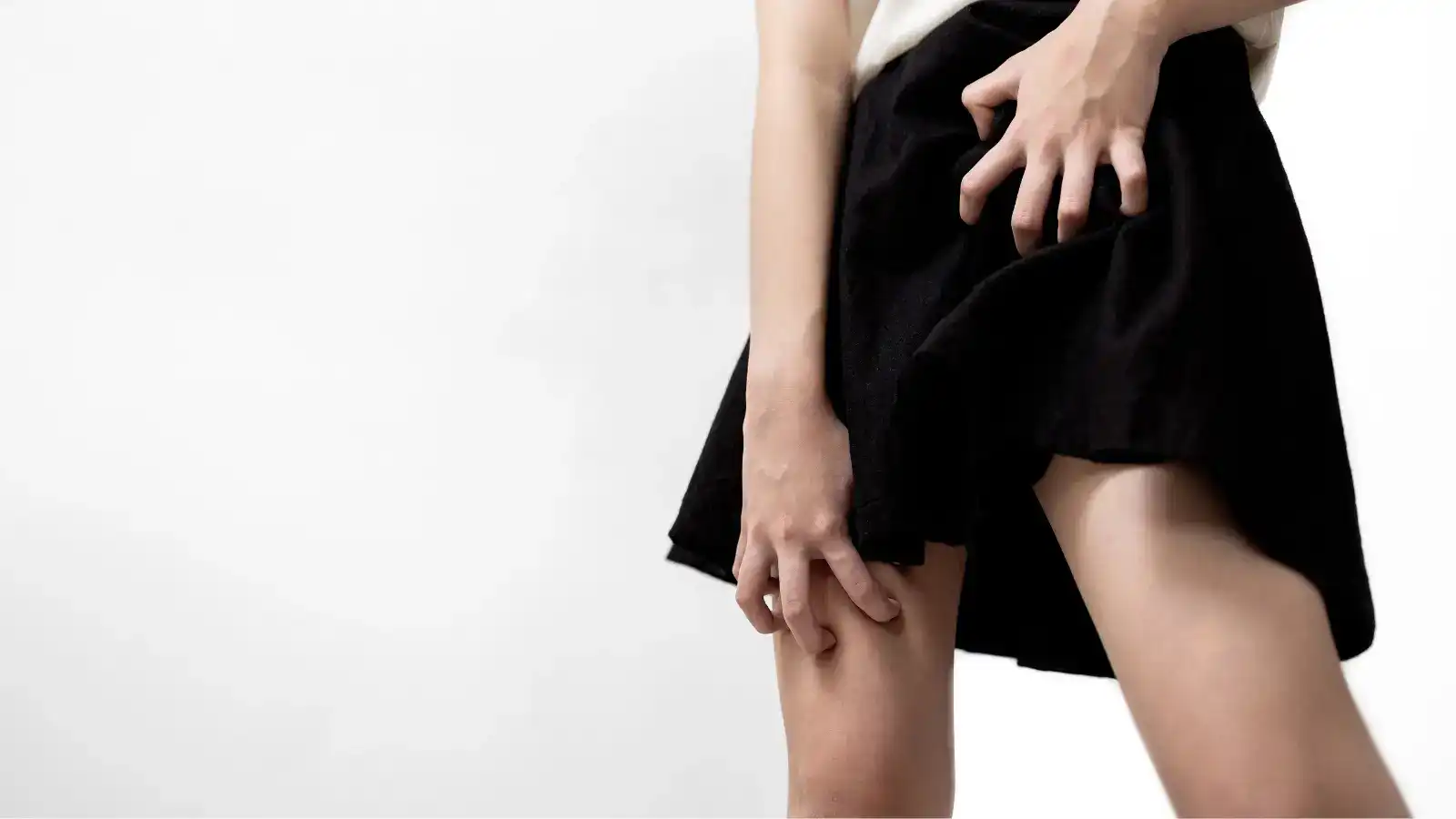
Itching, redness and pain with a cottage-cheese-like discharge are the most commonly reported symptoms. There’s usually no odour.
Bacterial vaginosis is frequently mistaken for thrush because the symptoms are so similar — the difference is that bacterial vaginosis produces a strong-smelling discharge, often described as fishy. Thrush can also occur with no symptoms at all.
Intestinal thrush
Gut thrush is harder to identify, because its symptoms belong to a long list of other conditions. Visually it can appear as a milky white coating or patches on the tongue or inside the mouth, or as a nail or skin infection.
Other reported symptoms include bloating, fatigue, headaches, fogginess (particularly in the morning), waking unrefreshed, urinary tract infections, anal itching, PMS, general moodiness, weight change and anxiety.
That list is broad enough that it isn’t diagnostic on its own. It’s a reason to be assessed, not a reason to conclude you have candida.
What disturbs the balance
Antibiotics are the most common trigger. They’re designed to kill bacteria and they aren’t selective about it, so the good bacteria go with the bad.
Diet. Refined sugars, starches, alcohol, fermented foods and sweets all alter the microflora. Low fibre causes constipation, which alkalises the bowel and makes it an easier environment for candida.
Tight synthetic clothing. Natural fibres and cotton underwear let the area breathe.
Hormonal change — pregnancy, or an irregular cycle.
What helps at home
- Dilute four drops of tea tree oil in a glass of warm water, swish for a minute, and spit it out. Don’t swallow it.
- Don’t douche. It strips the natural acidic environment that protects you.
- Avoid alcohol — it’s high in sugar and hard on the good bacteria.
- Eat plain natural yoghurt, cottage cheese and fibre-rich foods.
- Deal with your stress where you can. Stress dampens immune function and raises blood sugar, and both favour candida.
How it’s treated
Medically, thrush is treated with antifungal creams applied locally. Pessaries can give faster local relief.
A naturopathic approach uses herbal medicine and nutritional support chosen for your presentation. Some of the relevant liquid herbs taste unpleasant — that’s short-lived, and they aren’t harmful when prescribed appropriately by a qualified practitioner. Treatment commonly runs around two weeks and can be longer depending on severity.
Because recurrent thrush can sit on top of something else, your naturopath will want to look at the whole picture rather than the symptom.
Frequently asked questions
Is thrush a sexually transmitted infection?
Why does thrush keep coming back after antibiotics?
Can gut thrush cause symptoms that aren't digestive?
Should I just treat it myself?
Ready to book?
Appointments Monday to Saturday, with confirmation by SMS.
Your first appointment is 60 minutes and $160— every consultation fee · what to expect at your first appointment